Showing posts with label lamps. Show all posts

Monday, May 19, 2014

The Power of a Flower

The Power  of a Flower

Flowers endowing the space with life.

 1. Gold, Black, Peony.
If your space is full of gold and black contrasts, add a few bright colored peonies. They add an exceptionally luxurious touch to a  rich gold-black combination. The sophistication and elegance of Posh Table Lamp will be celebrated by the feminine touch of burgundy or fuchsia peonies. 
http://stamfordshades.com/Store/pc/viewPrd.asp?idproduct=1804


2.White, Black, Hydrangea.
Black and White duet is tremendously enriched by the charming, soft, snow-white hydrangeas. A white shade with a thick black trim looks exceptionally crisp on a White Petit Paro Table Lamp.

http://stamfordshades.com/Store/pc/viewPrd.asp?idproduct=3374
 
3.Mint,  Geometric, China Aster.
Treat the loved ones with tea in bed on a geometric trey with an aromatic China Aster.  The strictness of sharp corners simply calls for a floral presence. Regina Andrew has a brilliant selection of stunning treys which are carried by the Accessory Store. 

4. White, Blue, Delphinium.
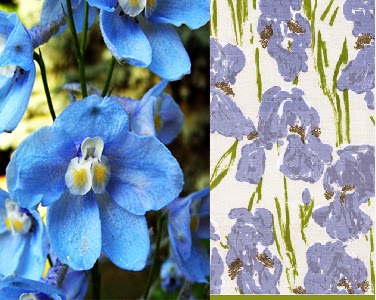
The delicate petals of delphinium  on the beautiful Caspari napkins would add an incredible airiness and lightness to this marvelous table set up.
http://stamfordshades.com/Store/pc/viewPrd.asp?idproduct=4399

 Embrace the beauty of the flowers and allow them enrich your home.
Vogue photo credit.

Tuesday, January 8, 2013

Lamp Shades 101- Mastering the Basics

Lamp shades are often under-rated by home owners in the realm of home decor. Experienced interior decorators know that the perfect lamp shade can add so much to a room. Everyone knows that lighting is important. Picking the right lamp shade can actually affect the amount of light in a room.

In this blog post, we will go over the very basics when it comes to lamp shades:

1. Shape

The lamp shade's shape is the most basic quality of a lamp shade. The shape helps to determine how traditional or modern, how edgy or average the shade looks. Here are some sample shapes and their attributes:

Drum is one of the most common shapes. This particular shade is in our Jamie Young shade collection. Drums are typically very contemporary, and can be a "transitional" piece; a way of melding a traditional lamp in a modern-looking room. These are typically pretty cost effective and come in a variety of fabrics.


Empire is the classic shade shape. Most lamps in big box stores come with an empire shade, and they are what people picture when they first think of a lamp shade. It's a very "safe" shape, and will work in a variety of environments. Use an empire when you don't want to pull attention away from the lamp. Of course, any shade shape be transformed into the extraordinary by a striking fabric or pleat pattern. Empires can also be called open cones, depending on the harshness of the taper, or the size difference of the top and bottom openings.


The coolie shade is a classic, elegant and very traditional shape. It stems back from the days when lamps had a wick and oil. Although the words usage in modern day is considered offensive, a "coolie" was considered to be an Asian laborer in times past. The traditional hats that they wore to protect themselves from the sun had the extreme taper that we now recognize in modern day coolie shades. These tend to be on the pricier side, and pair well with eastern-style porcelain lamps.


The pagoda shade is another "oriental" traditional shade shape. The name derives from a form of eastern architecture that is often used in temples and traditional structures. These can be quite expensive due to their complex frame and stitching work. They are striking, and add a touch of elegance that is hard to compete with.


For the delicate traditional look, scalloped bottom edges add elegance (and price) to any shade shape.


Back to more modern shapes, the rectangle and square can add a strong statement to a lamp.


To add complexity or to soften the hard edges, a cut corner can be added to a rectangle, triangle or tapered rectangle. This adds complexity, and therefore expense, to the shade.

There are many additional shapes such as bell, carlile and others.

 2. Size


Once you get past the complexities of shape, sizing the shade can be difficult to follow as well. When "shading" a lamp, it is essential that you have the lamp with you, and not rely on the previous shade, especially if you are changing shapes. 

On a skinnier floor lamp, you may want a more slender shade. On a fat porcelain lamp, a large coolie might look more appropriate. Unfortunately, there is no set rule for sizing. Fortunately, this makes the process more fun! You can play with different sizes, and typically you will be able to trust your eyes for the proper proportions.

Custom shades give designers the ability to "design by the inch". They can tweak dimensions, adding a little depth to a rectangle, or more of a taper to an empire. It is highly recommended that you have experience when exploring this route, as these shades get tremendously more expensive (and tremendously less refundable).

3. Fabric

An incredibly important component to your shade is the fabric that you use. A typical 18" diameter drum shade can be rustic or industrial, art deco or traditional, contemporary and airy or pleated and fancy. We'll discuss several different fabrics below:

"Paper" or Parchment
The most cost effective and flexible, paper is very useful. It is typically used in more contemporary settings, but it can be employed in a more relaxed traditional area as well. Paper is very opaque, and often shouldn't be used as a main source of light. The interior can be lined with a variety of colors, including a reflective gold or silver lining, which adds additional warmth to the lamp.

Of course, there are countless colors and types of parchment (vellum, waxed) that can be ordered.

Linen  
Linen shades are very transitional. They can be used in a variety of settings. Once again, there are many different kinds and colors, ranging  from very see through to completely opaque and gold lined (like the chandelier shade above). Different linens such as butchers linen can have very course textures when under the light.

Silk

A beautiful shade from our sister store, Illume NYC

Silk is the classic material used on shades. There is now synthetic silk available for the classic look without the cost, as well as the real thing. Silk can have "slub", or streaks, or it can be super smooth. Silk can often be pleated (as seen above), and there are many different types of pleats (i.e. french pleat). 
    
Raffia and Other Rustic/Natural Materials

 For a more rustic or country cottage look, check out some of the natural materials that shades can be made out of. Raffia is a straw that is traditionally made in baskets in areas of the world such as Thailand. There are also shades available in cow hide or faux cow hide, perfect for a rustic hunting cabin.


We have only just barely scratched the surface on what there is to know about lamp shades. The materials, shapes and methods have been around for centuries, and many stem from long traditions that pre-date electricity. Our store offers thousands of in-stock lamp shades, making us a must-see location for serious interior designers, and even the likes of Martha Stewart, who invited our owner on her show to discuss techniques for shading lamps!

 Here's the video!

In addition, we send out thousands of orders for custom lamp shades each year to be featured in beautiful new homes, hotels and hospitals. Our shades are also going to be featured in the upcoming film, The Wolf of Wall Street featuring Leonardo DiCaprio!
 
  
Visit our website for a limited selection of our massive shade collection. Visit our store in Stamford, Connecticut for a one-of-a-kind experience!


Saturday, November 3, 2012

Mastering the Language of Lamps

Every field has its own jargon, and the world of lamps is no exception. Go from novice to pro in no time with this quick guide to the world of lamps!

Let's go from the bottom up!


Lamp Base

This one is easy! A lamp base serves both a decorative and practical function. It stabilizes the lamp and adds balance and accent to the lamp. In certain circumstances (such as a glass bottle), a base will actually take away from the lamp.

You can find a variety of base types: Wood, Nickel or Chrome, Brass, Bronze, Acrylic or even iron. For a cool industrial look, you can have a heavy piece of iron welded to the bottom. The weight will stabilize it, adding a minimalistic touch. On the other end of the spectrum, an ornate wooden base can do wonders for a more traditional piece. 


Lamp Body

The body covers up the "guts" of the lamp (the pipe or wire). And obviously it defines the lamp's shade, style and vibe.  


 Vase Cap


 Vase caps are critical for seamlessly joining the body to the "neck". It is especially important in ceramic lamps.


Neck

 
 The neck is between the vase cap and the saddle. This functions to protect the wire and to hold the lamp together.  Normally it is proper to cover it with your shade, but in this case it looks good with a little of it exposed.


Saddle & Harp


We aren't talking about horseback riding, we're still on lamps! The harp (bottom) and the saddle (top) function to hold the lamp shade in place. The saddle is placed under the neck, and the harp clicks into place. The top screw it where the finial screws into place. The great thing about harps is that they can be easily switched out to various sizes to raise or lower the shade on the lamp, giving it the perfect height to cover up the hardware. Risers can also be added to the top screw to raise or lower the shade and finial.


Finial

"Your finials are served, sir..." A wild assortment of finials at our sister store, Illumé, in New York City


Finials are the icing on the cake. It serves the basic function of keep the shade in place. But it can serve to accent the lamp, or even stand on its own in the piece! Some lamps are better served by a minimalistic finial that blends into the hardware. Other lamps, such as this one, deserves a custom and whimsical finial that was designed by our store manager, Wes!

Wes proudly standing by his creation!


Lamp Shade
Shades are our specialty here. We carry thousands in stock of any conceivable type and color. But the interior decorators that shop here will often order custom shades. Getting the shade right is critical for making a lamp shine, and fitting it perfectly in the room. A shade puts a lamp into context. Decorators sometimes try to match the color to their color scheme, even ordering shades with custom fabric from the throw pillow on the couch. Others make it clash, adding interesting elements to an otherwise homogenous room.

A shade can accentuate a lamp, but not take away from it...or sometimes, our customers choose to accentuate a shade with a lamp.


Lamps have been around for a long time, but very few people really take a chance to examine them closely. Little has changed in the basic makeup of a lamp, precisely because the set up works so well. The next time that you enter the room, take the time to examine the simplistic beauty of a lamp.